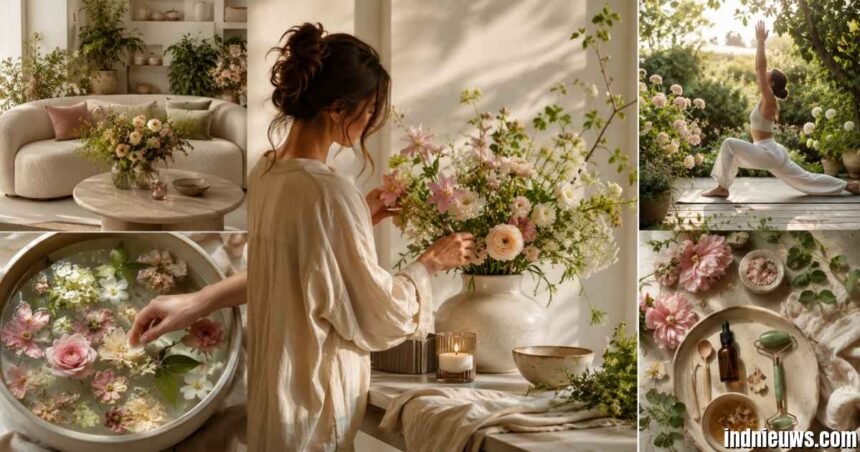
Fleurism is becoming one of the most talked-about lifestyle and design movements of 2026. Rooted in the art of living with flowers, fleurism blends botanical aesthetics, emotional wellness, sustainable design, and mindful living into everyday life. Rather than focusing only on flower arrangements, this growing movement encourages people to create spaces and routines that feel calmer, healthier, and more connected to nature.
As more people seek relief from digital overload and embrace eco-conscious lifestyles, fleurism has emerged as a cultural shift that values beauty with purpose. Whether you’re decorating a home, refreshing your workspace, exploring floral fashion, or simply adding a single bloom to your daily routine, fleurism offers an accessible way to improve both your surroundings and your well-being.
What Is Fleurism? Definition and Core Philosophy
The word fleurism comes from the French word fleur, meaning flower. In 2026, however, the term has evolved far beyond traditional floristry. Fleurism is the intentional practice of integrating flowers and botanical elements into lifestyle, interiors, fashion, wellness, and daily rituals to create beauty, calm, and meaningful connections with nature.
The philosophy of fleurism is built on three foundational pillars:
- Aesthetic Elevation: Flowers become part of a home’s design language rather than simple decoration. They influence color palettes, spatial balance, mood, and atmosphere.
- Emotional Resonance: Research in neuroaesthetics suggests that regular exposure to flowers and natural elements can help lower cortisol levels while supporting dopamine production. Fleurism embraces flowers as a form of everyday emotional wellness.
- Sustainable Presence: Instead of relying on imported flowers with short lifespans, fleurism promotes seasonal blooms, locally grown flowers, dried arrangements, preserved botanicals, and living plants that reduce waste.
Simply put:
More Read

Fleurism = Flowers + Mindfulness + Design + Sustainability
Why Fleurism Is Exploding in Popularity in 2026
Although fleurism began appearing within niche interior design communities around 2023, 2026 marks its breakthrough into mainstream culture. Several major trends have accelerated its growth.
| Factor | Why It Matters in 2026 |
|---|---|
| Post-Digital Fatigue | After years of screen-heavy lifestyles, people crave organic beauty and tactile experiences that help them disconnect from technology. |
| Biophilic Design Boom | Architects, homeowners, and Gen Z renters increasingly embrace nature-inspired interiors, making fleurism an affordable way to introduce biophilic design without major renovations. |
| TikTok & Instagram Growth | The #Fleurism hashtag surpassed 1.2 billion views by Q2 2026, with creators sharing flower rituals, botanical styling, and mindful decorating ideas. |
| Climate-Conscious Floristry | The slow flower movement has gone mainstream, encouraging consumers to choose local, pesticide-free, and sustainable blooms instead of imported flowers. |
According to Google Trends (July 2026), searches for “fleurism” have increased approximately 480% year over year, highlighting growing global interest in this emerging lifestyle movement.
More Read
Fleurism vs. Traditional Floristry: Understanding the Difference
Although both celebrate flowers, fleurism and traditional floristry serve different purposes.
| Aspect | Traditional Floristry | Fleurism (2026) |
|---|---|---|
| Goal | Gifts, weddings, celebrations | Everyday living and emotional wellness |
| Style | Structured, symmetrical bouquets | Organic, seasonal, wabi-sabi-inspired arrangements |
| Lifespan | Usually 3–5 days | Dried, preserved, or living plants lasting weeks, months, or years |
| Sourcing | Imported flowers available year-round | Local, seasonal, regenerative farms |
| Accessibility | Mostly professional florists | Anyone can practice it at home |
The biggest difference is simple:
Floristry is something you buy. Fleurism is a way you live.
Instead of waiting for special occasions, fleurism encourages incorporating flowers into everyday routines, creating spaces that continuously support creativity, relaxation, and mindfulness.
How to Practice Fleurism: 5 Simple Daily Rituals
One of fleurism’s greatest strengths is that anyone can begin immediately, regardless of budget or design experience.
1. Create a Single-Stem Moment
Place one seasonal flower beside your desk, bedside table, bathroom sink, or kitchen counter. Even a single bloom can transform the mood of a room while encouraging appreciation for everyday beauty.
More Read
2. Build Natural Tablescapes
Collect legally and responsibly foraged branches, grasses, seed heads, or wildflowers instead of purchasing elaborate arrangements. Fleurism celebrates natural imperfections rather than flawless symmetry.
3. Start a Dried Flower Journal
Press flowers inside books and preserve them alongside journal entries, photographs, or meaningful memories. Dried flowers have become especially popular because they combine sentimentality with sustainability.
4. Enjoy Botanical Wellness Rituals
Edible flowers such as rose, calendula, lavender, and chamomile can enhance teas, baths, and skincare rituals. These botanical experiences engage multiple senses while supporting relaxation.
5. Practice Floral Time-Blocking
Dedicate just 10 minutes each morning to watering plants, trimming stems, or rearranging flowers. Many practitioners describe this as a form of active meditation that creates a calmer mindset before the day begins.
A popular sustainability guideline within fleurism is the 70/30 rule:
- 70% local greenery
- 30% seasonal focal flowers
This approach reduces costs while supporting local growers and minimizing environmental impact.
Fleurism in Home Design, Fashion, Beauty, and Business
Interior designers increasingly describe fleurism as “the new minimalism.” Rather than removing everything from a space, fleurism focuses on introducing carefully chosen natural elements that bring life and personality indoors.
Among the biggest home design trends for 2026 are living flower walls, hydroponic botanical panels for apartments, Ikebana-inspired minimalist arrangements, floral shower gardens featuring eucalyptus and jasmine, and dramatic dried flower ceiling installations that can remain beautiful for one to three years with minimal maintenance. Popular color palettes include mocha earth with rust, dusty lavender paired with sage, and butter yellow combined with warm cream, all inspired by seasonal blooms.
Fleurism has also expanded into fashion and beauty. Paris and Copenhagen Fashion Week highlighted 3D floral textiles, garments incorporating preserved flowers within bio-resin, while beauty creators popularized “petal skin” makeup, featuring natural finishes and delicate pressed flower-inspired details. Botanical dyes made from marigold, indigo, and madder root continue gaining popularity among sustainable fashion brands, reflecting fleurism’s commitment to slow beauty and environmentally conscious craftsmanship.
Beyond personal style, fleurism has developed into a growing business sector. New career opportunities include Fleurism Consultants who design emotionally supportive spaces for homes and offices, Slow Flower Farmers producing locally grown seasonal blooms, Botanical Content Creators sharing preservation techniques and flower rituals across social media, and Dried Flower Artists creating long-lasting installations for weddings, retail spaces, and hospitality venues. Entrepreneurs may also benefit from local SEO opportunities around search terms such as “fleurism workshop near me,” which currently show relatively low competition and high buyer intent.
Sustainability remains central to the movement. Modern fleurism discourages floral foam because of its microplastic pollution, favors locally grown stems over imported flowers, embraces composting and flower pressing to minimize waste, and prioritizes living plants whenever possible. Many practitioners summarize the philosophy with one guiding principle:
“If it can’t return to the soil, don’t buy it.”
If you’re ready to begin, the journey is refreshingly simple. Start by placing one locally grown flower where you’ll see it every day. Replace plastic containers with ceramic or vintage glass vases, experiment with drying flowers inside books, and follow inspiring fleurism creators for ideas rather than comparison. Remember, fleurism isn’t about expensive bouquets or picture-perfect interiors—it’s about bringing intentional beauty into everyday life.
As the movement continues to grow throughout 2026, fleurism represents far more than a decorating trend. It encourages slowing down, appreciating seasonal rhythms, supporting local growers, reducing waste, and transforming ordinary moments through nature. Whether your home features an elaborate living flower wall or simply a single wildflower on your desk, every thoughtful floral choice reflects the essence of fleurism: living beautifully, mindfully, and sustainably—one bloom at a time.